Introduction I’ll save you the trip to the dictionary: anthroponymy is the study of proper personal names, a subset of another fancy word—onomastics. The field covers everything from historical naming practices to given names, surnames, nicknames, and the cultural conventions that tie them together. Originally, this all started with a single article I wrote about […]
Anthroponymy
Anthroponymy—the study of personal names—blends language, history, and culture. This article series shares a little knowledge about the naming conventions of various cultures and compiles some resources and tools. Armed with that knowledge and those resources, the hope is that writers will create inspired, authentic-sounding character names.
Roman Names
Roman Names
Introduction
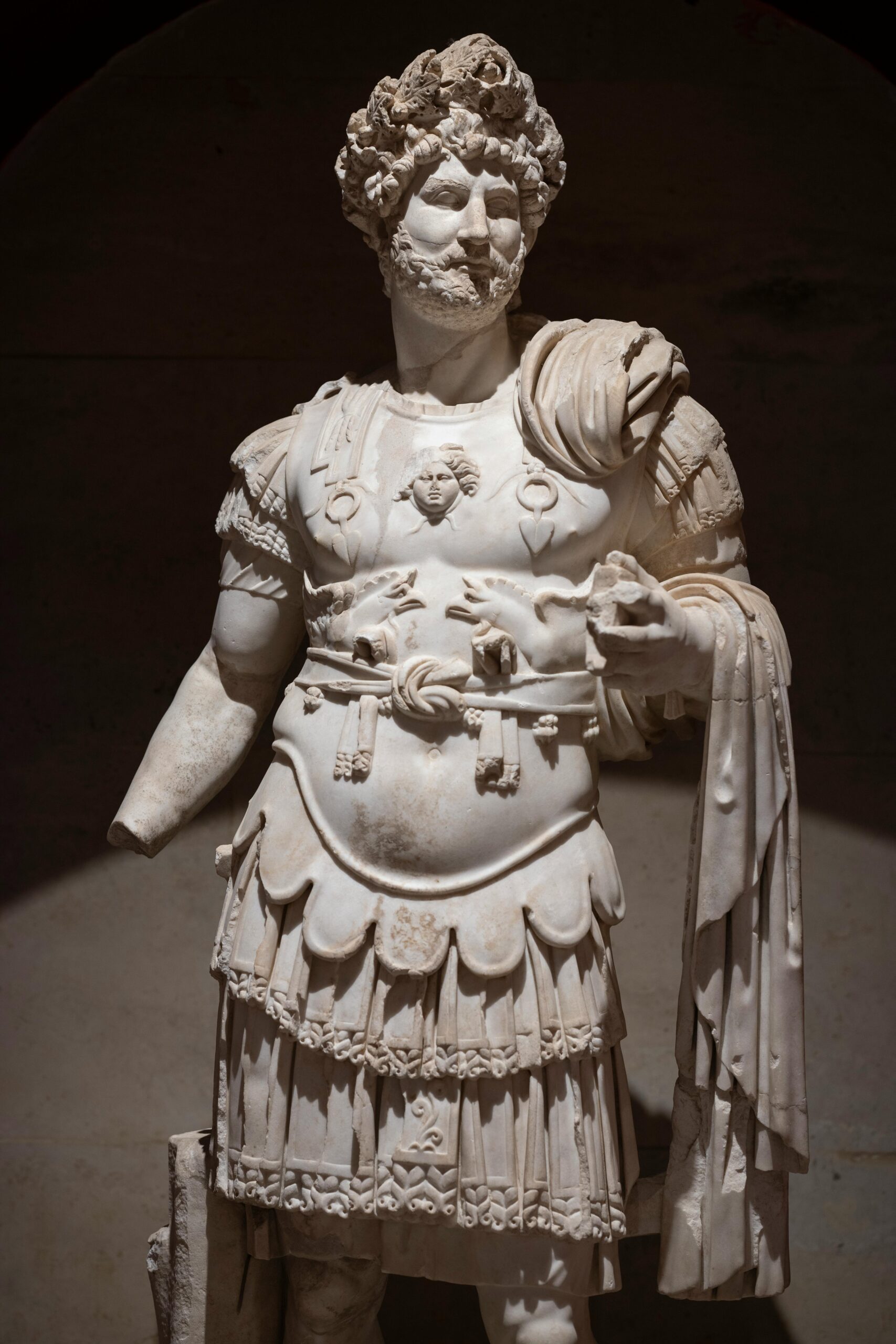
Lately, I’ve been frequenting author and self-publishing sites, and I’ve noticed a recurring question among historical fiction and fantasy writers: many budding authors get stuck on character names or other types of names. While I can’t speak for all eras or cultures, I’ll offer advice on three ethnicities that feature in my novels and books — Roman, Greek, and Nordic. In this article, the focus is on Roman names.
Nordic Names
While I have no Norse characters in my novels, as the period I’m writing in is simply too early for the Norse, I’ve learned something about Norse naming conventions while working on Restitutor Reipublicae. Originally, the title character in my draft from 40 years ago was named Michael Fischer, which felt too generic for my modern version, so he was reimagined as Mikkel Friðriksson, son of Friðrik Eiríksson and Brynja Káradóttir. Why Icelandic? I’ve always had a fascination with the land of fire and ice. I chose to visit Iceland to celebrate finishing my doctorate, and later, I worked closely with several Icelandic engineers at a tech company. With a basic understanding of Icelandic culture, having read a few sagas, and with Icelandic friends,I felt it was the ideal ethnicity for my protagonist. I only hope I don’t offend any of my friends with this article.

Ancient Greek Names
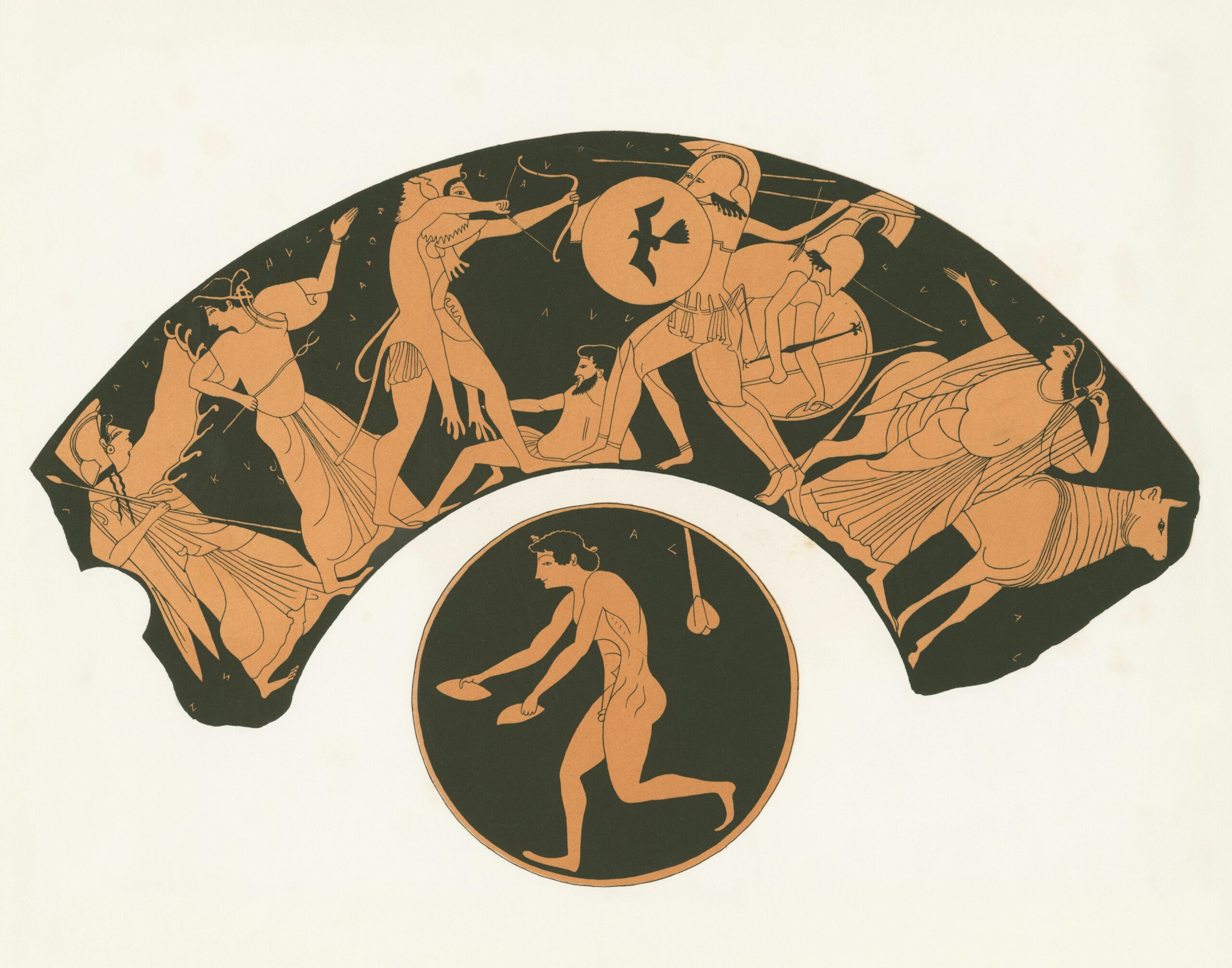
Introduction I know far less about Greek names—particularly in antiquity—than I do about Roman ones. When I first needed some, I took the approach of using Greek words almost as personifications. After all, names in myth and history often worked that way. Pandora (Πανδώρα) means “all gifts.” Theodora (Θεοδώρα) means “gift of god.” Both show […]